
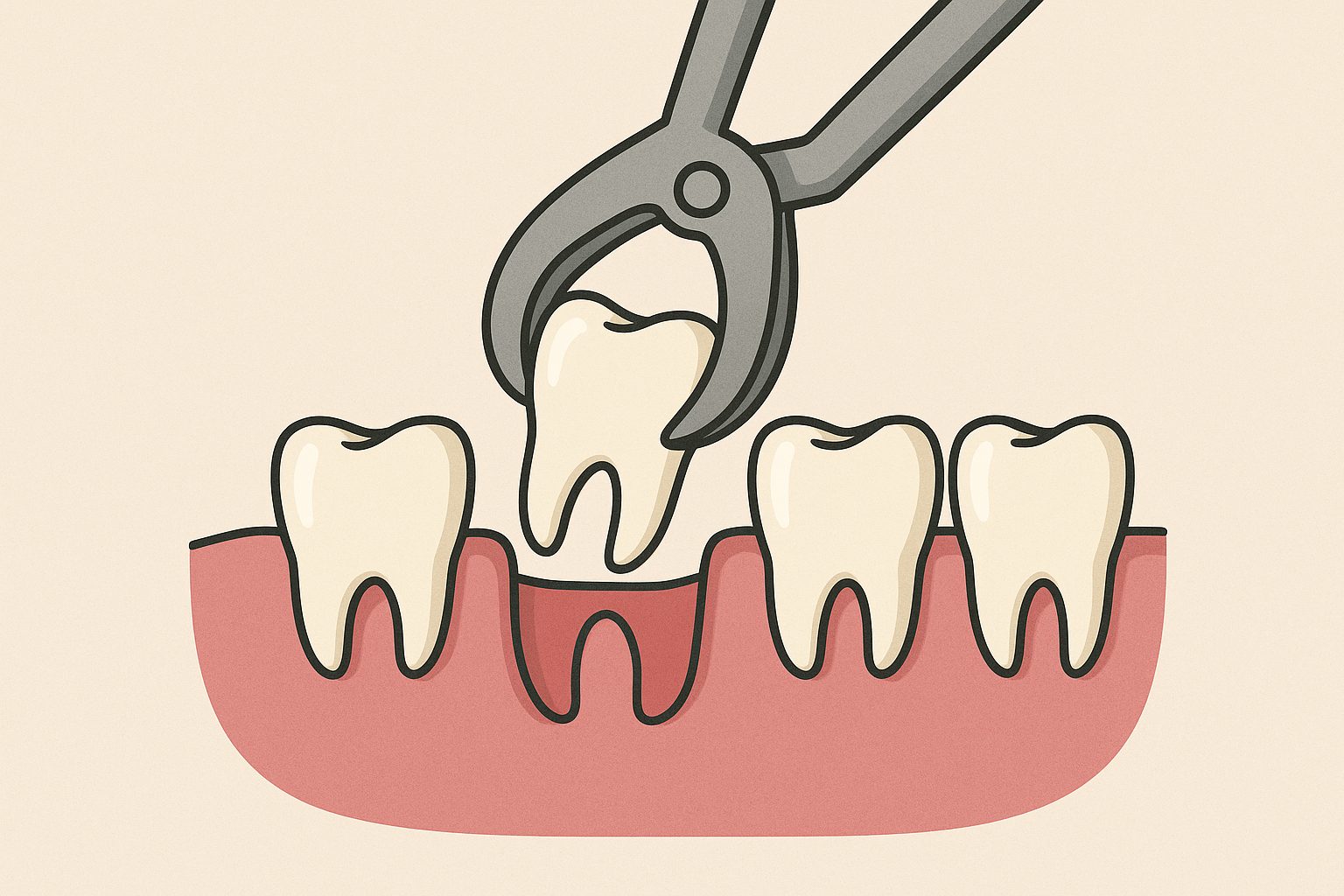
What should I expect right after a tooth extraction?
After a tooth extraction, it’s normal to experience stiffness, swelling, soreness, and light bleeding, and a dentist will place moist gauze over the extraction site to help control bleeding for about 30–45 minutes. Today’s Family Dental
How do I control bleeding after extraction?
If bleeding continues after removing the gauze, replace it and gently bite down again for another 30–45 minutes; repeat as needed until the bleeding lessens. Today’s Family Dental
How can I reduce swelling and discomfort?
Apply an ice pack on the cheek near the extraction area for 15 minutes on/15 minutes off for the first few hours, and keep your head elevated while resting or sleeping for a couple of days. Today’s Family Dental
What foods and drinks should I consume?
Stick to soft foods and cool liquids for the first day or two and avoid hot foods and drinks until tenderness improves. Today’s Family Dental
What should I avoid to protect the healing area?
Avoid smoking, spitting forcefully, using straws, and consuming carbonated beverages or alcohol because these actions can dislodge the blood clot and delay healing or cause dry socket. Today’s Family Dental+1
When should I rinse my mouth?
Avoid rinsing or vigorous swishing for the first 24 hours; after that, gentle warm saltwater rinses help keep the area clean and soothe the gums. Dental Health+1
How should I brush my teeth after extraction?
You can continue brushing and flossing your other teeth but be gentle around the extraction area — avoid direct brushing over the site for the first day. Today’s Family Dental
Can I chew normally after a tooth extraction?
Chew away from the extraction site until healing progresses and the area feels comfortable; return to your normal diet as you are able. Cleveland Clinic
How can I manage pain at home?
Mild to moderate pain and swelling can often be managed with prescribed or over-the-counter pain medication according to your dentist’s instructions. Today’s Family Dental
When should I contact my dentist?
Contact your dentist if you experience heavy or prolonged bleeding, intensifying pain, increasing swelling after several days, signs of infection (like fever or foul taste), or if you have any concerns about healing. Today’s Family Dental

Leave a Reply